
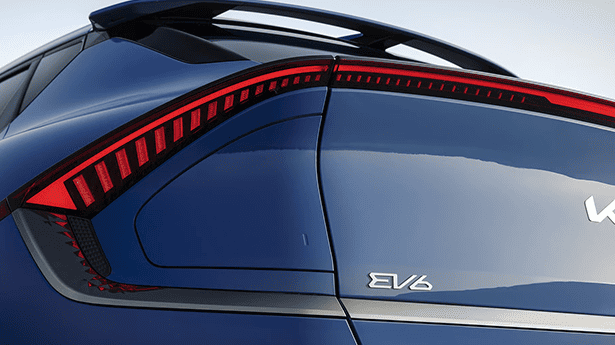
Charging a 2026 Kia EV in Northeast Ohio works through a flexible combination of overnight home charging for daily driving and high-speed public DC fast charging for long-distance travel. The modern Kia electric lineup features an 800-volt charging architecture and an integrated NACS charging connector, enabling owners to replenish battery power at home, at public CCS stations using an adapter, or at compatible Tesla Superchargers across the region.
Electric vehicle charging is divided into three distinct levels, each serving a specific operational purpose:
- Level 1 Charging: Uses a standard 120-volt household outlet. It adds approximately 3 to 5 miles of range per hour, making it best suited for plug-in hybrids or low-mileage emergency topping off.
- Level 2 Charging: Uses a dedicated 240-volt outlet or hardwired wall box. It adds 20 to 30 miles of range per hour, fully recharging a typical EV battery overnight in 6 to 9 hours.
- Level 3 DC Fast Charging: Direct current fast charging bypasses the vehicle's onboard AC converter, supplying up to 350 kW of direct power to charge a battery from 10% to 80% in under 20 minutes on high-voltage architecture.
For commuters driving along Interstate 271 around Bedford, routine charging is handled easily in a home garage or driveway. Plugging in at night ensures a full battery every morning without requiring weekly trips to a gas station. When traveling across state lines, the navigation system in models like the 2026 Kia EV6 automatically plans charging stops along your route, identifying high-power DC fast chargers and preconditioning the battery for optimal power acceptance.
To explore electric vehicle options or discuss charging installations in person, stop by our Rockside Road showroom or give our sales team a quick call to ask about current model availability.
How Long Does Level 2 Home Charging Take and How Do You Protect Equipment in Winter?
Level 2 home charging on a dedicated 240-volt outlet takes approximately 6 hours for standard-range batteries and roughly 9 hours for extended-range packs, making overnight charging the most efficient habit for EV owners. Protecting outdoor charging cords during severe sub-zero weather requires keeping the connector holstered off the ground, using a weather-resistant protective cap, and wiping moisture off the plug before connecting to prevent ice accumulation inside the port.
Home charging equipment relies on an 11 kW AC charger built into the vehicle to convert household alternating current into direct current for the battery. Charging times vary depending on the battery size installed in your specific trim:
- Standard Battery (63 kWh): A complete charge from 10% to 100% on a 40-amp Level 2 charger takes about 6.2 hours.
- Extended-Range Battery (84 kWh): A full charge from 10% to 100% requires approximately 7.5 to 9 hours depending on ambient temperature and circuit amperage.
When winter temperatures drop in Northern Ohio, outdoor EV cables can stiffen and connectors can trap moisture that freezes solid overnight. To protect your Level 2 equipment during heavy snow and ice storms, hang the charging cable on a dedicated wall hook rather than leaving it on the ground where it can freeze into slush. Utilizing a silicone port cover or a magnetic charge-port protective blanket keeps blowing snow out of the receptacle pins, ensuring a clean electrical contact every time you plug in.
If you are setting up your home garage for a new electric crossover, you can browse our inventory of new Kia electric models to compare battery configurations, or contact our service center to order genuine Kia charging accessories and wall-mount brackets.
How Do the Kia Heat Pump and Thermal Management System Protect Winter Range?
The Kia battery thermal management system and available Heat Pump System preserve cold-weather range by capturing waste heat from electric motors and power electronics to warm the passenger cabin while utilizing liquid heating elements to maintain internal cell temperatures within safe operating limits. In freezing winter weather, this integrated thermal management approach recovers up to 10% to 15% of range lost to low temperatures compared to traditional resistive heating systems.
Sub-freezing temperatures temporarily slow down the chemical reaction inside lithium-ion battery cells, which increases internal resistance and reduces total available driving range. Across severe winter months, unheated electric vehicles can experience temporary range reductions between 15% and 30%. Kia addresses this cold-weather loss through several engineered safeguards:
- Waste Heat Recycling: The Heat Pump System absorbs ambient air heat and thermal energy generated by the electric drive motors and inverter, routing it directly into the cabin HVAC loop rather than draining battery power through high-draw resistive coils.
- Active Liquid Battery Preconditioning: When a fast-charging station is selected in the onboard navigation system, liquid heating loops bring battery cell temperatures up to the ideal zone prior to arrival, maintaining peak intake speeds even in sub-zero weather.
- Cell Degradation Protection: Thermal management circuits actively monitor cell temperatures during both charging and driving, preventing permanent battery wear caused by charging a frozen battery pack.
During winter walk-arounds, car shoppers frequently ask how parking in a garage affects battery health. Parking in an enclosed garage reduces thermal cold-soak, allowing the battery pack to stay warmer overnight and requiring significantly less energy to warm the cabin during morning remote start sequences.
Drivers looking for an efficient commuter vehicle can check out our selection of pre-owned vehicles to view late-model electric crossovers equipped with winter weather packages.
When Do You Need Public Charging vs Home Charging on Road Trips?
You need public fast charging when driving beyond your vehicle's single-charge range limit—such as highway trips exceeding 200 to 300 miles—or when unexpected long-distance driving prevents an overnight home recharge. Routine daily driving, workplace commuting, and local errands are handled almost entirely via home Level 2 charging, leaving public stations primarily for long-distance highway travel.
Understanding when to transition from home Level 2 power to high-speed public DC fast charging helps optimize both travel time and charging costs:
- Daily Commuting: Plugging in at home overnight provides 100% capacity each morning. A driver covering 30 to 60 miles per day rarely needs to visit a public charger during the workweek.
- Regional Highway Trips: On trips requiring 150 to 250 miles round trip, drivers can easily complete the drive without stopping if starting with a full battery, or take a brief 10-minute Level 3 top-up if running extra climate control.
- Cross-Country Road Trips: On multi-state drives exceeding 300 miles, utilizing 350 kW public DC fast chargers along major interstate corridors allows you to add 100 to 200 miles of range during short 15-minute rest breaks.
Planning a road trip involves matching charger output with your vehicle's peak charging intake. High-voltage public stations deliver direct current directly into the battery, bypassing the slower onboard AC converter. Selecting stations with clear amenities—such as lighting, dining, and restroom access—ensures a comfortable rest stop while the battery rapidly replenishes.
Shoppers looking for pre-owned electric reliability can explore our certified pre-owned Kia models, which undergo strict multi-point inspections including full battery health diagnostics before hitting our lot.
How Fast Does the 2026 Kia EV6 Charge and Can Kia EVs Use Tesla Superchargers?
The 2026 Kia EV6 charges from 10% to 80% in approximately 18 minutes when connected to a 350 kW DC fast charger, making it one of the fastest-charging electric crossovers in its class. Thanks to the factory-integrated NACS charging connector, Kia electric models can plug directly into compatible Tesla Supercharger stations across Northeast Ohio as well as traditional CCS fast-charging locations using an approved adapter.
The charging speed of the 2026 Kia EV6 stems from its advanced 800-volt charging architecture, which maintains high kW delivery over a broader state-of-charge curve compared to older 400-volt electric vehicle systems:
- EV6 Light: Features a 63 kWh battery pack with a peak intake rate of 128 kW, adding substantial range in roughly 29 to 31 minutes at a fast-charging hub.
- EV6 Light Long Range, Wind, and GT-Line: Feature an 84 kWh extended-range battery supporting peak charge rates over 200 kW, recovering roughly 100 miles of range in just 10 minutes under ideal conditions.
The adoption of the NACS charging connector vastly expands fast-charging access for local owners. When navigating to a Supercharger or public fast charger, selecting the station through the Kia Connect touchscreen activates automatic battery pre-warming, ensuring the battery reaches optimal temperature for maximum power absorption as soon as you plug in.
To maintain your electric vehicle's cooling systems, high-voltage wiring, and tire wear patterns, you can schedule an EV service appointment with our factory-trained technicians.
Common Questions About Kia EV Charging and Winter Operation
Q: Does parking in a garage help maintain EV range in winter?
Parking in an unheated or heated garage helps preserve battery range during winter by protecting the battery pack from ambient sub-zero winds and cold-soak. When a vehicle stays warmer overnight, less battery energy is required to warm the internal cells and heat the cabin during startup. Leaving your vehicle plugged into a Level 2 charger inside the garage allows you to pre-condition the cabin temperature using grid power rather than drawing energy from the battery pack before driving.
Q: Can the 2026 Kia EV6 use DC fast charging on long highway trips?
The 2026 Kia EV6 fully supports high-speed DC fast charging on highway trips. Built on an advanced high-voltage architecture, extended-range trims can charge from 10% to 80% in approximately 18 minutes at a high-power public fast charger. Drivers can use both Tesla Supercharger locations via the built-in NACS port and traditional CCS stations using an adapter. To learn more about our team and test drive an EV6, visit our showroom.
Q: How does preconditioning the battery help during freezing weather?
Battery preconditioning uses liquid heating elements within the thermal management system to bring battery cell temperatures up to their optimal window before you arrive at a fast charger. Cold battery cells cannot accept high electrical current safely without risking cell strain. Preconditioning ensures that as soon as you plug into a high-output charger, the vehicle immediately accepts peak power intake rates, reducing your total charging time significantly during cold weather.
Q: What warranty coverage protects the battery on a new Kia EV?
Every new Kia electric vehicle comes backed by an industry-leading 10-year/100,000-mile EV battery warranty in addition to a 10-year/100,000-mile powertrain warranty and a 5-year/60,000-mile basic warranty. This comprehensive coverage protects against capacity loss below standard limits and covers high-voltage components including the electric drive motors and power management control units, providing long-term ownership confidence.
Q: Can a Kia EV9 charge at Tesla Superchargers in Northeast Ohio?
Kia electric vehicles, including the three-row Kia EV9, can utilize compatible Tesla Supercharger stations across the region when equipped with a factory NACS port or an authorized NACS-to-CCS adapter. Drivers can locate compatible fast-charging locations through the Kia Connect mobile application or in-vehicle navigation screen. If you are considering trading in your current vehicle for a three-row electric SUV, you can get an instant cash offer online in just a few minutes.
Prices and MSRP referenced in this article are estimates for informational purposes only and do not constitute an offer to sell. See dealer for complete details. Fuel economy estimates shown may differ from official EPA ratings and should not be relied upon as a guarantee of actual vehicle performance.
Categories:
News