
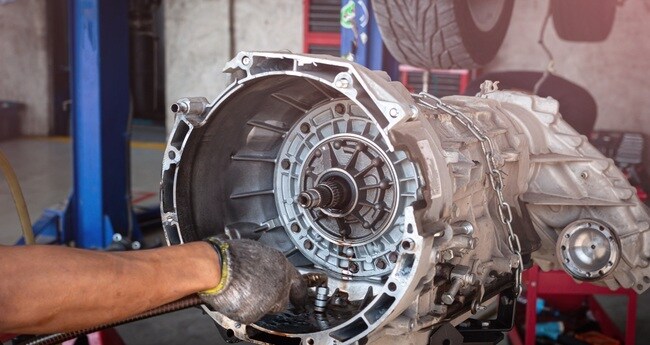
Maintaining a Kia Intelligent Variable Transmission differs from servicing a traditional automatic primarily through its unique fluid formulation, distinct internal wear surfaces, and specific severe-weather fluid exchange intervals. While conventional planetary automatics use hydraulic clutch packs and fixed gearsets, Kia's IVT relies on a high-strength steel chain-belt operating between two variable-diameter pulleys. This mechanical architecture requires specialized high-friction transmission fluid, close thermal monitoring, and regular inspections to protect the pulley sheave faces from micro-slipping and scoring.
Drivers navigating local terrain in Bedford face seasonal freeze-thaw cycles and stop-and-go arterial corridors along Rockside Road that place higher mechanical demands on transmission fluid than steady highway cruising. In a traditional stepped automatic, hydraulic pressure directs torque through dedicated planetary gear stages, which distribute mechanical loads across multiple gear teeth. An IVT, by contrast, concentrates mechanical shear stress along the narrow contact patch where the metal drive chain presses against the conical pulleys.
Because of these design differences, service procedures for the two gearboxes diverge significantly:
- Fluid Chemistry: An IVT mandates specialized friction-modified fluid engineered to prevent metal-on-metal slip under extreme clamping pressures, whereas stepped automatics use fluid designed for smooth clutch disc engagement.
- Inspection Priorities: Service technicians evaluate an IVT for electronic pulley position sensor calibration, hydraulic valve body line pressure, and thermal degradation, while conventional automatic service focuses on clutch wear, shift solenoid response, and gear engagement timing.
- Severe-Service Intervals: Under heavy load or harsh weather, IVT fluid requires scheduled replacement around 60,000 miles to prevent abrasive wear on the pulleys, while traditional automatics often endure longer intervals between fluid flushes due to lower friction demands on the lubricant.
Our technicians monitor transmission health using specialized diagnostic scanning equipment that reads real-time fluid degradation indexes and operational temperatures. When you need a certified driveline inspection, you can find our service center location or give our team (440) 659-2032 to review your vehicle's specific maintenance schedule.
Mechanical Differences and Driving Feel: Belts, Pulleys, and Simulated Gear Shifts
Kia's Intelligent Variable Transmission actively simulates traditional gear shifts using computer-controlled step-shift programming, pairing the continuous mechanical efficiency of a variable-ratio pulley system with the familiar acceleration rhythm of a stepped automatic gearbox. Under moderate to firm throttle input, the transmission control unit adjusts pulley line pressure in rapid increments to produce distinct virtual gear ratios. This electronic mapping eliminates the sustained high-RPM engine droning common in older continuously variable transmissions without sacrificing fuel economy.
The physical hardware separates the IVT from a standard automatic transmission. A traditional automatic relies on planetary gear assemblies, torque converter fluid couplings, and interleaved friction plates that lock and unlock to establish fixed gear ratios. Kia's IVT replaces those gear clusters with a primary drive pulley connected to the engine, a secondary driven pulley linked to the differential, and a wide-ratio steel chain belt. The transmission continuously alters the effective diameter of both pulleys via high-pressure hydraulic actuators, providing an infinite ratio spread between its lowest and highest mechanical settings.
Stepped shift logic engages automatically when vehicle software detects brisk acceleration or uphill driving. During steady-state cruising, the system reverts to stepless variable adjustments, selecting the precise ratio needed to keep engine speeds low and efficiency high. When drivers use manual gate controls or steering-wheel paddle shifters, the transmission locks the pulleys into predetermined stepped positions that replicate conventional gear steps.
Over extended mileage, mechanical maintenance for an IVT centers on sustaining adequate hydraulic clamping force. If hydraulic pressures drop or particulate matter builds up in the valve body channels, the pulleys cannot exert uniform pressure against the chain links. Our technicians inspect pump volume output and electrical harness connectors, and owners can order genuine Kia transmission parts directly through our certified facility to ensure all replacement components match original factory engineering tolerances.
Transmission Fluid Formulations: Why SP-CVT1 and Automatic Fluids Are Not Interchangeable
Kia IVT units require Kia Genuine SP-CVT1 fluid, an advanced synthetic lubricant formulated exclusively to maintain traction between the steel chain belt and the smooth steel pulley sheaves under extreme clamping pressure. Traditional Kia automatic transmissions require SP-IV or SP-IV-RR fluid, which contains dynamic friction modifiers tailored for wet multi-plate clutch packs and hydraulic torque converters. Introducing automatic transmission fluid into an IVT causes immediate pulley slippage, rapid mechanical scuffing, and irreversible hardware failure.
The chemical demands placed on these two fluids are fundamentally opposite:
- Friction Characteristics: Kia Genuine SP-CVT1 delivers high steel-on-steel friction to prevent the drive chain from sliding along the pulley faces, paired with anti-wear additives that prevent surface galling under pressures exceeding 1,000 pounds per square inch.
- Viscosity and Shear Stability: Stepped automatic fluid ( SP-IV) prioritizes shear stability across high-velocity planetary gear teeth and steady flow through fine solenoid valves, whereas SP-CVT1 uses specialized shear-stable polymers that resist thinning when squeezed between smooth metal surfaces.
- Thermal and Detergent Packages: SP-CVT1 incorporates anti-foaming agents and heat stabilizers that prevent vapor pockets in high-pressure hydraulic circuits, maintaining consistent line pressure across sub-zero cold starts and elevated summer operating temperatures.
Pouring conventional SP-IV fluid into an IVT reservoir lowers the friction coefficient between the chain and pulley sheaves. Within a few miles of operation, the steel chain slips during acceleration, carving grooved wear tracks into the machined metal sheaves. Conversely, using SP-CVT1 in a traditional planetary automatic causes erratic, harsh clutch engagement and burnt friction discs. Our service department stocks factory-sealed containers of each dedicated lubricant to prevent cross-contamination during maintenance flushes.
Heat Dissipation and Commuter Stress: Navigating Kia Severe Driving Conditions
Stop-and-go commuting and severe operating conditions generate substantial thermal loads in a Kia IVT by requiring continuous hydraulic ratio adjustments and repeated low-speed clutch clamping. While a traditional automatic transmission relies on its torque converter fluid coupling to absorb low-speed crawl resistance, an IVT constantly modulates hydraulic line pressure against its drive chain during repeated acceleration and deceleration cycles. Over time, prolonged low-speed urban driving accelerates fluid shear and elevates operating temperatures.
Urban traffic patterns in Cleveland subject drivetrains to extended idling, frequent stops along congestion-heavy routes, and abrupt throttle inputs. Kia defines severe driving conditions through several clear operational factors:
- Regular driving on trips under 5 miles in standard temperatures or under 10 miles in sub-freezing conditions.
- Extended vehicle idling, low-speed stop-and-go commuting, or continuous delivery driving.
- Driving in areas with heavy winter road salt application, sand, or airborne industrial dust.
- Frequent operation in hilly or mountainous terrain requiring sustained hill-climb throttle.
Sub-zero winter temperatures compound transmission stress. Cold transmission fluid flows sluggishly through micro-screen filters and hydraulic control channels, slowing initial line-pressure build times. Until the fluid reaches operating temperature, transmission software restricts aggressive ratio shifts to protect the chain-pulley interface.
When vehicles operate routinely under severe operating conditions, factory maintenance intervals shift from standard visual inspections to scheduled fluid replacements. Servicing the fluid at recommended intervals flushes out microscopic metallic particulate and restores the thermal stability needed to prevent long-term pulley wear.
Towing Limits and Payload: Which Kia Models Use an IVT Versus an Automatic
Kia matches each transmission type to the vehicle's structural layout, engine output, and intended hauling capability. Compact and subcompact passenger cars rely on the IVT to maximize fuel efficiency and provide lightweight driveline packaging, while larger crossovers and multi-passenger SUVs utilize heavy-duty stepped automatics equipped with planetary gearsets and external fluid cooling circuits to manage heavy loads.
The 2026 Kia K4 compact sedan pairs a 2.0-liter four-cylinder engine generating balanced power with an efficient IVT, achieving an EPA-estimated 29 mpg city / 39 mpg highway. Because its driveline components are engineered for personal transportation and efficiency rather than towing, the K4 has no tow rating. By contrast, the 2026 Kia Sportage features an available Sportmatic 8-speed automatic transmission paired with all-wheel drive and a 1.6-liter turbocharged engine, delivering a towing capacity of 2,000 pounds and an EPA rating of 35 mpg city / 36 mpg highway.
For larger vehicle platforms, Kia reserves high-capacity stepped automatics exclusively. Drivers should note that Kia did not build a 2026 Kia Telluride in any trim, skipping directly from the 2025 model year to the 2027 edition. Across those production years, the Telluride relies on a robust 8-speed automatic transmission designed to pull up to 5,500 pounds when properly equipped.
Carrying maximum internal cargo inside an IVT-equipped vehicle also affects component wear. Consistently loading a vehicle near its gross vehicle weight rating forces the transmission control system to run elevated hydraulic line pressure to keep the steel chain clamped tightly between the pulleys. This continuous high-pressure clamping raises internal operating temperatures and accelerates fluid oxidation, making routine inspections critical for owners who regularly carry heavy equipment, gear, or full passenger complements.
Factory Service Schedules and 10-Year/100,000-Mile Powertrain Warranty Protection
Kia protects every new vehicle with an industry-leading 10-year/100,000-mile powertrain warranty, which covers internal mechanical components, hydraulic pumps, pulleys, drive chains, planetary gear clusters, and torque converters against factory defects. To keep this comprehensive warranty coverage fully active, vehicle owners must adhere to the factory maintenance guidelines outlined in their owner documentation and maintain clear records of all fluid services and driveline inspections.
Under normal driving conditions, Kia specifies regular multi-point inspections of transmission fluid levels, cooler lines, and electronic sensors, categorizing the fluid as a long-life fill. Under severe driving patterns, however, factory guidelines recommend complete transmission fluid replacement around 60,000 miles. Because severe conditions include cold-weather driving, road-salt exposure, and repetitive stop-and-go travel, most Ohio drivers fall into the severe maintenance category.
Maintaining your driveline according to factory schedules provides measurable benefits:
- Warranty Compliance: Completing scheduled fluid inspections and severe-service flushes ensures warranty claims for transmission assembly replacement are processed without documentation delays.
- Pulley Surface Longevity: Fresh Kia Genuine SP-CVT1 fluid prevents the microscopic metal wear that leads to chain slip, hesitation, and low-speed shudder.
- Hydraulic Seal Preservation: Heat-degraded fluid hardens internal rubber seals and solenoid O-rings, causing internal pressure leaks that can trigger check-engine lights.
- Resale Value Protection: Complete service records from a certified dealership confirm driveline health when trading or selling your vehicle.
Drivers looking to compare the operational dynamics of an IVT-equipped sedan alongside an automatic crossover can schedule a comparison test drive to experience how each transmission responds across local streets and highways before establishing their long-term service plan.
Kia Transmission Service: Fluid, Maintenance Schedule, and Daily Driving Questions
Q: Can an IVT handle aftermarket transmission fluid additives?
No, aftermarket transmission fluid additives should never be added to a Kia IVT. The factory Kia Genuine SP-CVT1 fluid is chemically engineered with a precise balance of metallic friction modifiers, detergents, and anti-foaming polymers. Adding aftermarket slip-stop treatments, seal conditioners, or universal CVT boosters alters the fluid's friction coefficient, leading to chain belt slippage against the pulley sheaves, hydraulic foaming, and premature mechanical failure that is not covered under factory warranty.
Q: What dashboard warning signs indicate transmission fluid overheating in an IVT?
When transmission temperatures rise beyond safe operating thresholds, the instrument cluster displays a high-transmission-temperature warning message and illuminates the check engine light. In response, vehicle software enters a protective failsafe mode that limits throttle response, caps engine revolutions, and locks the pulleys into a fixed ratio to reduce mechanical friction. If this occurs, pull over safely, leave the engine idling in park to allow cooling fans to lower temperatures, and arrange a service visit.
Q: How does sub-zero winter weather impact IVT warm-up behavior?
Sub-zero winter temperatures increase transmission fluid viscosity, which temporarily slows hydraulic pressure distribution through the valve body. During the first few minutes of driving, the transmission control unit limits high-ratio shifts and simulates gentler stepped transitions to prevent chain slip until the fluid reaches adequate temperature. Drivers should avoid aggressive full-throttle acceleration immediately after starting the vehicle in extreme cold to allow fluid to circulate across the pulleys.
Q: Does the transmission filter need replacement during an IVT fluid change?
Kia IVT units utilize internal fine-mesh metal pick-up screens and external micro-filters designed to capture microscopic contaminants over extended service cycles. While basic fluid exchange services replace the hydraulic fluid via drain-and-refill or fluid exchange equipment, certified technicians inspect external filter housings and service accessible filter cartridges during comprehensive severe-condition overhauls to maintain unobstructed fluid flow and consistent line pressure across the valve body.
Q: How can drivers verify whether their daily commute qualifies as severe driving?
A daily commute qualifies as severe driving if it regularly involves trips under 5 miles, prolonged idling in heavy commuter traffic, continuous driving through road-salt-treated winter corridors, or hauling near maximum vehicle weight ratings. If your driving routine matches any of these conditions, our advisors recommend following the 60,000-mile severe service fluid replacement schedule. You can easily schedule a transmission inspection online to have our technicians evaluate your fluid condition and operating history.
Prices and MSRP referenced in this article are estimates for informational purposes only and do not constitute an offer to sell. See dealer for complete details. Fuel economy estimates shown may differ from official EPA ratings and should not be relied upon as a guarantee of actual vehicle performance.
Categories:
News