
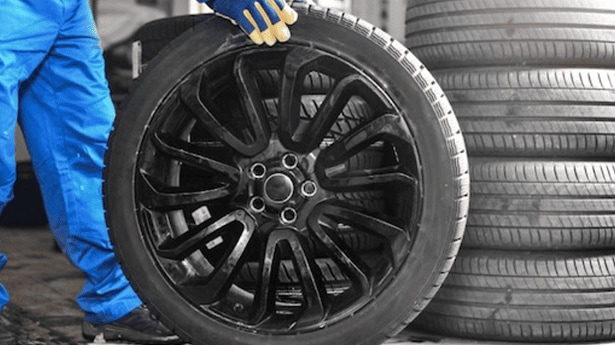
Kia vehicles require a structured routine of periodic tire rotations, precision wheel alignments, monthly pressure checks, and regular tread depth evaluations. Rotating tires every 6,500 miles balances front-to-rear tread wear, while yearly alignment checks protect directional stability and tire lifespan. Maintaining factory-recommended cold inflation pressures ensures proper contact patches, fuel efficiency, and traction across all road surfaces, preventing premature tire replacement and safeguarding electronic stability systems.
Comprehensive tire care goes beyond simple visual checks. A thorough maintenance regimen includes inspecting the sidewalls for bulges, clearing debris embedded within the tread blocks, and monitoring wear patterns across the entire contact surface. Front-wheel-drive and all-wheel-drive configurations place different mechanical demands on rubber compounds, making consistent service essential for long-term vehicle safety.
| Maintenance Service | Recommended Interval | Primary Benefit |
|---|---|---|
| Tire Rotation | Every 6,500 miles (or at oil service) | Equalizes rubber wear between front and rear axles |
| Wheel Alignment | Once per year or upon impact | Prevents vehicle pulling and uneven shoulder wear |
| Pressure Verification | Monthly when tires are cold | Optimizes tread footprint, braking, and fuel economy |
| Tread Depth Inspection | Monthly or before seasonal weather | Ensures wet-road traction and hydroplaning resistance |
Routine care protects sensitive suspension linkages and drivetrain components from unnecessary mechanical strain. If you are experiencing uneven handling or simply need a professional tread assessment, you can reach our team at (440) 659-2032 or visit our Bedford service center location for personalized advice.
How Do You Test Kia Tire Tread Depth with a Coin and Know When to Replace?
Testing Kia tire tread depth with a U.S. coin involves inserting a penny or quarter upside-down into the lowest tread groove to gauge remaining rubber height above critical safety thresholds. If Abraham Lincoln's head on a penny is entirely visible, the tread depth has worn to or below 2/32 inch, indicating an immediate need for tire replacement. Using a quarter provides an earlier warning: if George Washington's head remains uncovered, the tread is at or below 4/32 inch, signaling reduced wet-weather traction.
Understanding coin measurements helps drivers act before tires become unsafe on wet or snow-covered asphalt:
- The Penny Test (2/32 Inch Threshold): Place a penny head-first into several tread grooves across the inner, center, and outer tread blocks. If Lincolnâs entire head shows, the rubber is worn to the legal safety minimum.
- The Quarter Test (4/32 Inch Threshold): Insert a quarter head-first into the tread channel. Seeing the top of Washington's head means wet-surface stopping distances have increased significantly and replacement should be planned soon.
Kia owner manual guidance highlights built-in tread wear indicators, which appear as continuous horizontal rubber bars across the tread pattern once depth reaches 1/16 inch (approximately 2/32 inch). Driving on tires worn to or past these indicators severely compromises braking performance, hydroplaning resistance, and vehicle control during emergency maneuvers.
Replacing tires in pairs or full sets preserves engineered handling characteristics. Drivers who want to maintain factory performance can order genuine Kia tires and replacement parts designed specifically for their chassis. Additionally, if you want to evaluate how smooth handling feels on a newly equipped vehicle, consider scheduling a road test with our team.
How Often Should Kia Tires Be Rotated and Alignedâand What Happens If You Skip It?
Kia tires should be rotated every 6,500 milesâor aligned with routine engine oil service intervalsâand wheel alignment should be inspected annually or whenever abnormal directional drift occurs. Adhering to this timeframe prevents localized wear, maintains balanced braking forces, and ensures consistent vehicle stability.
Skipping scheduled rotations leads to rapid wear on specific tires depending on drive configuration. On front-wheel-drive models, front tires sustain accelerated wear due to steering forces, engine weight, and primary propulsion duty. When tires remain in one position too long, wear patterns become heavily asymmetrical.
Neglecting tire rotation and alignment leads to several distinct vehicle issues:
- Irreversible Cupping and Feathering: Tire tread blocks wear down at angle differentials, creating rhythmic thumping noises and persistent steering wheel vibrations.
- Premature Tread Degradation: Unrotated tires can lose up to 30 percent of their total potential service mileage due to localized friction.
- Steering and Alignment Stress: Uneven tread heights pull the chassis off-center, placing extra load on tie rods, ball joints, and control arm bushings.
- Decreased Wet Traction: Shallow tread on one axle reduces water evacuation capacity, increasing hydroplaning risks during heavy rain.
Drivers navigating daily commutes along I-271 near Bedford experience frequent speed changes and seasonal road surface changes that accelerate tread wear and shift wheel alignment, making regular maintenance vital.
Does Tread Depth Imbalance Harm Kia All-Wheel-Drive Systems?
Significant tread depth variance across axles harms Kia all-wheel-drive systems by causing front and rear wheels to rotate at slightly different speeds during straight-line driving. This continuous rotational speed difference forces the transfer case and center differential to engage continuously, generating excessive heat and causing premature wear on internal clutches and gears.
All-wheel-drive electronics continuously monitor individual wheel speeds through anti-lock braking sensors. When a worn tire with a smaller overall rolling circumference rotates faster than a newer tire with full tread, the AWD system interprets the speed discrepancy as wheel slip. The system may continuously attempt to transfer power between axles, leading to drivetrain binding, fluid breakdown, and eventual mechanical component damage.
To safeguard the drivetrain, Kia technical guidelines specify that all four tires on an all-wheel-drive vehicle must match in size, brand, construction model, and speed rating. When tire replacement becomes necessary due to non-repairable damage, tread depth variance across all four wheels should remain minimal. Replacing a single worn tire while leaving three worn units on an all-wheel-drive vehicle can create enough circumference difference to trigger mechanical strain and fault codes.
How Do You Check Recommended Tire Pressure and Manage the Kia TPMS?
Recommended cold tire pressure for a Kia vehicle is checked using a reliable tire gauge when the car has been parked for at least three hours or driven less than one mile, referencing the placard attached to the driver-side B-pillar door jamb. The Tire Pressure Monitoring System (TPMS) uses radio-frequency sensors mounted inside each wheel valve stem to send real-time inflation data to the instrument cluster display, illuminating a warning symbol if pressure drops significantly below specification.
Ambient air temperature directly impacts internal tire pressure. For every 10-degree Fahrenheit drop in outside temperature, tire pressure decreases by approximately 1 PSI. Rapid temperature drops coming off Lake Erie in Cleveland cause air pressure inside tires to contract quickly, often triggering early morning low-pressure warnings on cold winter days.
Proper pressure management involves a few simple steps:
- Locate the Vehicle Placard: Check the driver door frame sticker for exact cold PSI specifications for front and rear tires rather than using the maximum pressure rating stamped on the tire sidewall.
- Measure Cold Inflation: Take readings in the morning before driving to get an accurate measurement unaffected by frictional heat buildup.
- Adjust to Placard Specs: Add or release air until the gauge matches the recommendation exactly.
- Clear the TPMS Alert: Drive the vehicle above 15 mph for several minutes to allow the sensors to update readings and clear low-pressure indicators on the dashboard.
What Are the Signs of Misalignment and the Safety Risks of Worn Tires?
Common signs of wheel misalignment include the vehicle pulling toward one side on a straight road, an off-center steering wheel spoke's angle during straight travel, wheel vibration, and rapid wear on the inner or outer tread edges. Driving on misaligned wheels or severely worn tires lengthens stopping distances, lowers hydroplaning thresholds on wet asphalt, degrades cornering traction, and increases the likelihood of flat tires or sudden blowouts.
Misalignment frequently results from hitting potholes, striking curbs, or driving over uneven debris. When suspension geometry strays from factory specifications, tires drag sideways across the road surface rather than rolling cleanly forward.
Worn tire rubber exposes driver and passengers to serious hazards:
- Extended Emergency Braking: Reduced tread depth limits rubber bite on wet pavement, increasing stopping distances by several car lengths during panic stops.
- Hydroplaning Instability: Water cannot escape through shallow tread grooves, causing the tire footprint to float above the road surface and lose steering control.
- Puncture Susceptibility: Thin tread rubber offers less protection against nails, glass, and sharp metal objects, leading to sudden air loss.
- Heat Accumulation: Compromised tire carcasses retain excessive heat during high-speed highway travel, weakening internal steel belts.
Common Questions About Kia Tire Maintenance
Q: How do you test Kia tire tread depth using a coin?
Place a Lincoln penny head-first into your tire's lowest tread groove. If Abraham Lincoln's entire head is visible, your tread depth is at or below 2/32 inch, meaning the tire must be replaced immediately. If you place a quarter head-first into the groove and Washington's head is visible, your depth is 4/32 inch or less, indicating reduced wet-weather grip and upcoming replacement needs.
Q: Does tread depth imbalance harm Kia all-wheel-drive systems?
Yes, significant tread depth imbalance across tires on an all-wheel-drive Kia forces wheels to rotate at different speeds. This speed variance tricks the all-wheel-drive system into sensing wheel slip, overworking the center differential and transfer case, which can cause fluid overheating and expensive mechanical wear over time.
Q: How often should Kia tires be rotated and aligned?
Kia recommends rotating tires every 6,500 miles or during routine engine oil changes to ensure balanced tread wear across both axles. Wheel alignment should be inspected annually or immediately if you notice your vehicle pulling to one side, uneven tire wear, or steering wheel vibration.
Q: How do you check recommended tire pressure on a Kia vehicle?
Check tire pressure when tires are cold using a digital or dial tire gauge. Refer to the official vehicle tire placard located on the driver-side door jamb for the correct PSI values, rather than reading the maximum inflation pressure molded onto the tire sidewall.
Q: How does the Kia Tire Pressure Monitoring System (TPMS) work?
The Kia TPMS utilizes individual sensors mounted inside each wheel valve stem to measure inflation levels in real time. The sensors transmit wireless signals to your vehicle's instrument panel, triggering a warning light if air pressure falls significantly below the manufacturer's recommended threshold.
What Tire Maintenance Services Are Offered in Bedford and How Do You Schedule?
Kia of Bedford provides fixed-operations tire maintenance, including multi-point visual inspections, computerized four-wheel alignment, precision tire balancing, scheduled tire rotation, TPMS sensor calibration, and full set OEM tire replacements. Our certified service center utilizes factory-specified equipment to maintain your vehicle's handling characteristics, fuel efficiency, and active safety systems.
Our service department handles routine care and complex mechanical alignments under one roof:
- Factory-Trained Technicians: Services are completed using specialized tools engineered specifically for Kia suspensions and drivetrains.
- Original Equipment Tires: We stock approved tire brands and sizes designed to fit your specific model's speed rating and weight specifications.
- Comprehensive Inspections: Every tire visit includes checks of tread depth, inflation pressure, valve stem integrity, and suspension wear.
Drivers visiting our service center often ask whether minor tread variances require replacing all four tires on all-wheel-drive models, and our service advisors walk owners through exact circumference measurements to protect center differentials.
When you are ready to book routine tire maintenance or have your alignment checked by factory-trained technicians, you can schedule your service appointment online in just a few clicks. You can also give our team a call at (440) 659-2032 to discuss current tire availability, or stop by our Bedford service center location for personalized support.
Prices and MSRP referenced in this article are estimates for informational purposes only and do not constitute an offer to sell. See dealer for complete details. Fuel economy estimates shown may differ from official EPA ratings and should not be relied upon as a guarantee of actual vehicle performance.
Categories:
News